
Microsoft Fabric
Posts about Microsoft Fabric: architecture by business size, default semantic models, capacity and cost.
-
F0 and capacity overage: two changes to the Fabric bill
An F0 that bills only for what you run, and capacity overage now on by default at three times the pay-as-you-go rate. One to wait for, one to check today.
-
Eight ways to keep your Fabric bill down
Start small, keep reports off the capacity, use Direct Lake, reserve once usage is steady and pause what is idle. The practical half of our FabCon cost session.
-
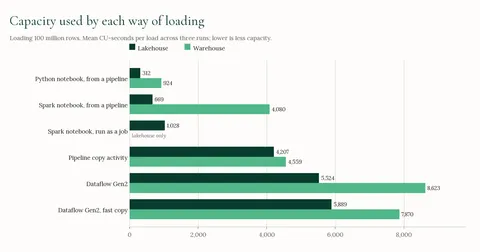
How much is Fabric? We loaded 100 million rows to find out
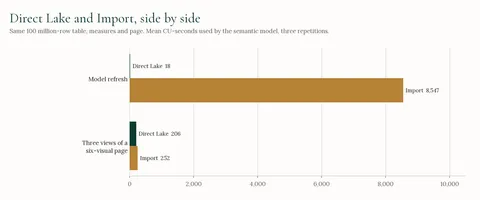
We loaded the same data 49 ways into a lakehouse, warehouse and SQL database, three times each, measured the capacity, then compared Direct Lake and Import.
-
A Fabric health check: three questions to ask your tenant
Are you paying for more capacity than you need, which workspaces are still in use, and how do changes reach production? Where to look in Fabric for each answer.
-
Moving from Power BI Premium to Fabric: a practical guide
Premium P SKUs retire when your agreement ends, and the move to Fabric is not automatic. How to size, plan, move and check it, with a free printable checklist.
-
How to clean up decoupled default semantic models in Microsoft Fabric
Fabric decoupled its default semantic models in November 2025, and many are still sitting in workspaces. A seven-step cleanup, from inventory to governance.
-

How Microsoft Fabric solves Power BI's API problem
Data behind an API used to be Power BI’s weak spot. In Fabric a notebook lands API data in a lakehouse on a schedule and Power BI reads the lakehouse instead.
-
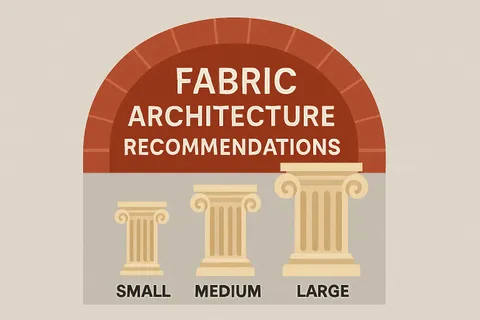
Choosing the right Microsoft Fabric architecture for your business size
Three Microsoft Fabric architectures for small, medium and large organizations: what runs on capacity, when to add deployment pipelines, and when F64 pays off.
-
Why Fabric sunsetting default semantic models is a win
Microsoft stopped auto-creating default semantic models in Fabric. Why the auto-generated models hurt workspaces, and what a deliberate semantic layer needs.
Reading about it is the easy part.
If Microsoft Fabric is on your plate right now, a thirty-minute conversation will tell you whether we can help.
Rather write first? contact@birchrunconsulting.com