
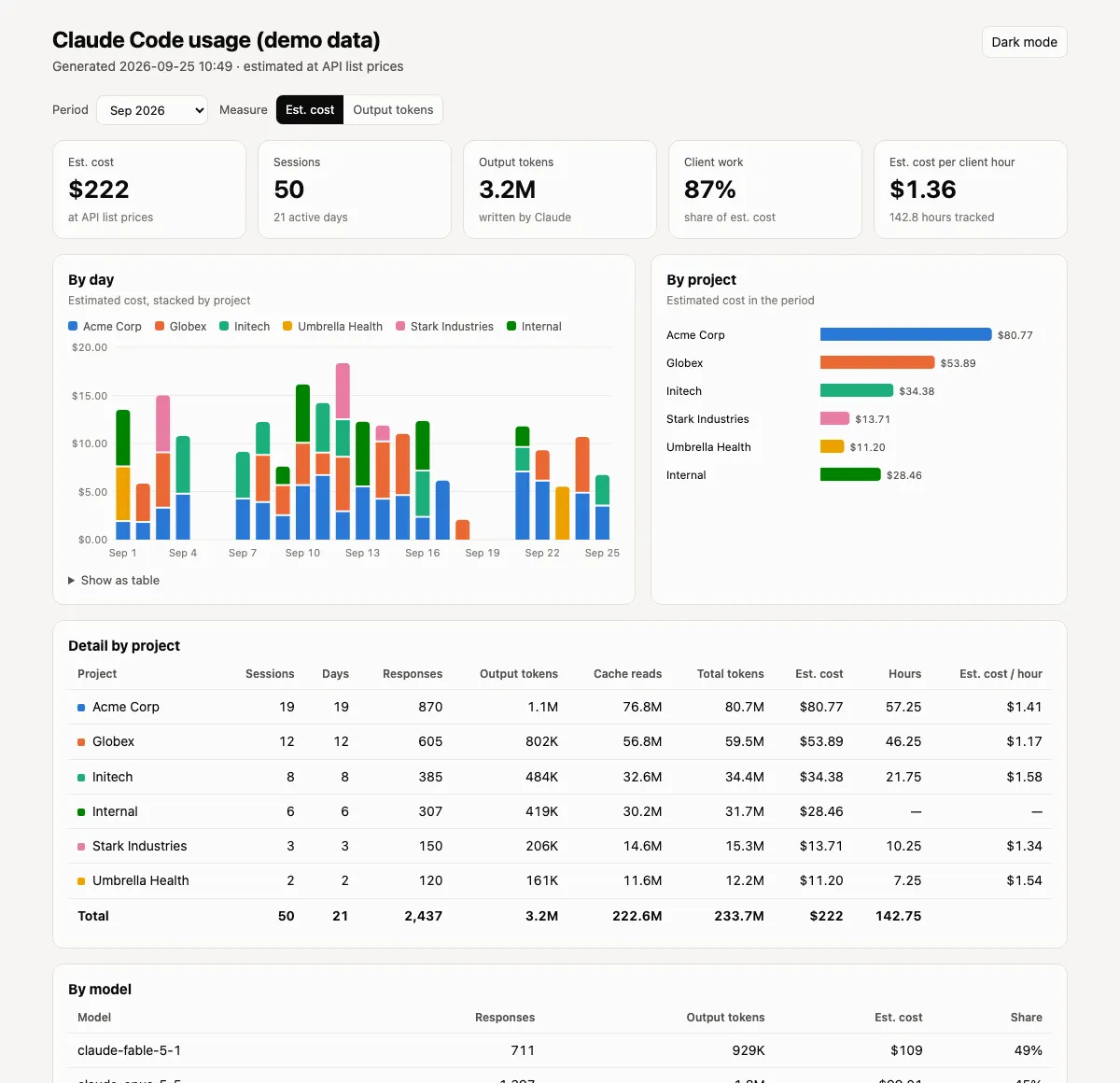
See your Claude Code usage by client
A Claude Code skill that reads the session logs on your computer, groups them by client, prices them at API rates and builds a report. Mac and Windows.
Read the post →What is changing in the tools, why it matters, and what to do about it in your own environment. Written by Nathan Giullian.
A Claude Code skill that reads the session logs on your computer, groups them by client, prices them at API rates and builds a report. Mac and Windows.
Read the post →A small Claude Code hook that titles every session after the client folder it started in, so the session list on your phone or iPad reads like a client list.
A working tour of Claude Code in a small consultancy: OneDrive as the file system, VS Code as the desk, and the automations that keep the business running.

PBIR is now the default Power BI report format. Readable files mean Git diffs, code review and AI-assisted development, while Power BI Desktop stays supported.
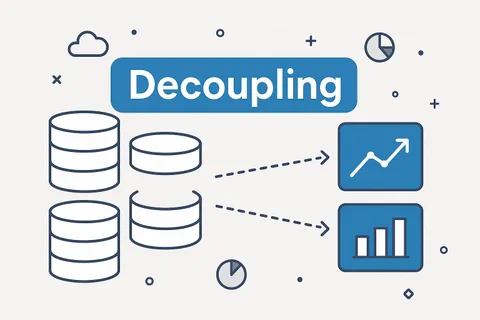
A seven-step guide to cleaning up decoupled default semantic models in Fabric: inventory, classify, rebuild as a star schema in PBIP, repoint reports, govern.
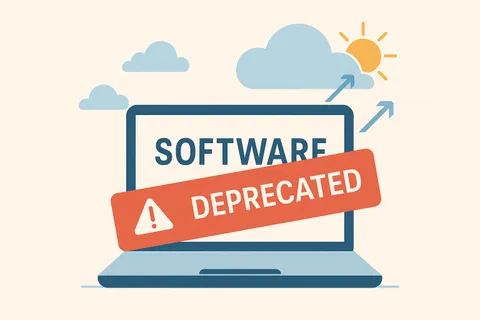
Office Online Server reaches end of support on December 31, 2026, and Power BI Report Server stops hosting Excel through it in November. A five-step plan.
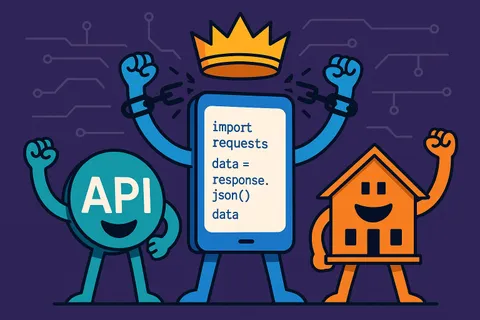
Data behind an API used to be Power BI’s weak spot. In Fabric a notebook lands API data in a lakehouse on a schedule and Power BI reads the lakehouse instead.

When Power BI alone is enough: simple sources, batch data, models under ten million rows, Pro or PPU licensing. How to know when Fabric capacity is worth it.

Three Microsoft Fabric architectures for small, medium and large organizations: what runs on capacity, when to add deployment pipelines, and when F64 pays off.

OpenAI released open-weight GPT-OSS models. How to run the 20B model on a laptop with Ollama, and what a local model is actually good for in a small business.
Microsoft stopped auto-creating default semantic models in Fabric. Why the auto-generated models hurt workspaces, and what a deliberate semantic layer needs.
If any of this is happening in your environment, a thirty-minute conversation will tell you whether we can help.
Rather write first? contact@birchrunconsulting.com